



Introduction
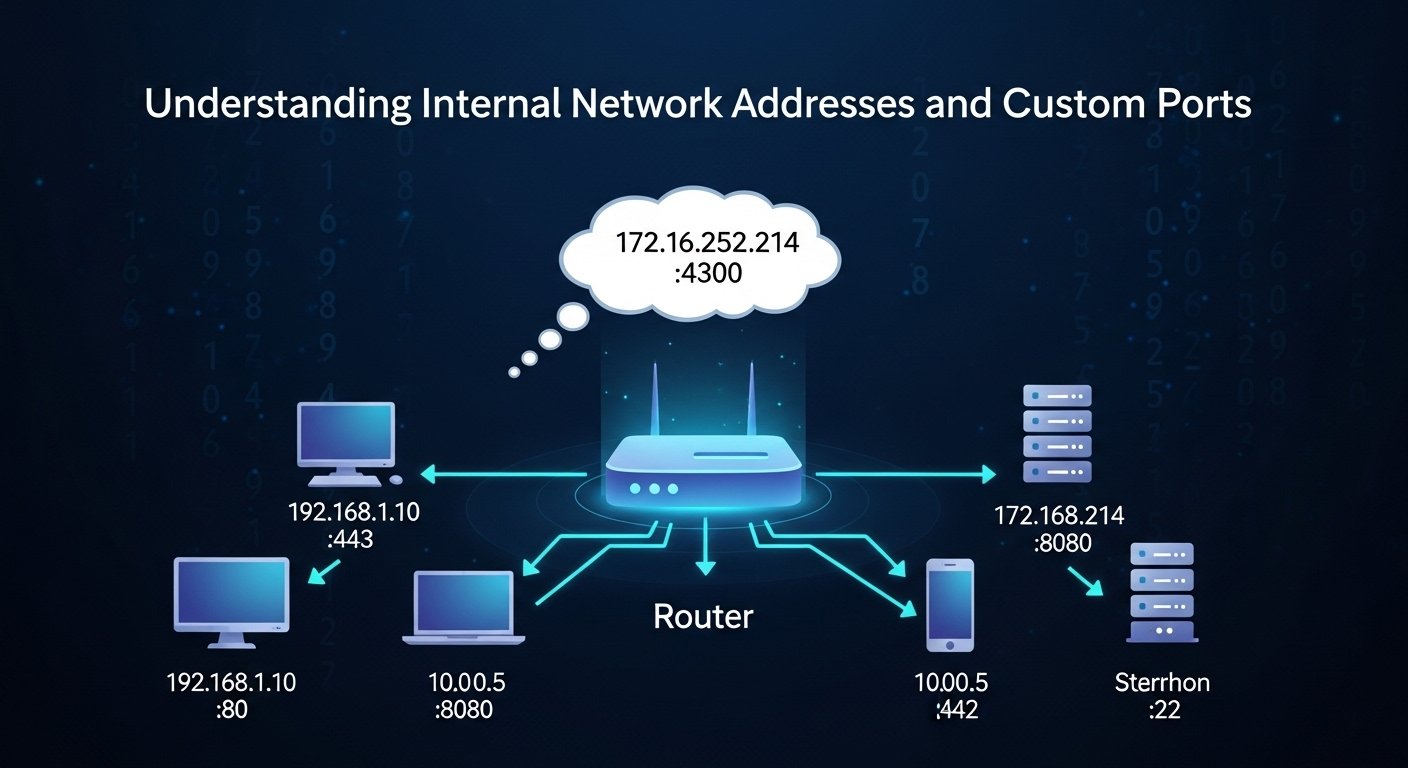
The keyword 172.16.252.214:4300 represents a private IP address combined with a specific port, commonly used inside internal networks for accessing services, dashboards, or development tools. Unlike public IPs, this type of address is not reachable from the open internet and is designed for controlled, local communication. Understanding how 172.16.252.214:4300 works can help system administrators, developers, and IT professionals manage internal resources more securely and efficiently.
What Is 172.16.252.214:4300?
At its core, 172.16.252.214:4300 consists of two parts: a private IP address and a port number. The IP address falls within the 172.16.0.0–172.31.255.255 range, which is reserved for private networks. This means 172.16.252.214:4300 is typically used inside offices, data centers, testing environments, or cloud-based virtual private networks.
The port number 4300 specifies a particular service or application running on that device. When someone accesses 172.16.252.214:4300, they are requesting a connection to a defined process listening on that port.
Why Private IP Addresses Matter
Private IPs like 172.16.252.214:4300 are essential for network organization and security. They allow multiple devices to communicate internally without exposing sensitive systems to the public internet. Because 172.16.252.214:4300 is not routable externally, it reduces the attack surface and helps keep internal tools protected.
Organizations often rely on addresses like 172.16.252.214:4300 for internal applications such as admin panels, monitoring systems, or staging servers.
Common Uses of Port 4300
While port 4300 is not tied to a universal standard, it is frequently chosen for custom services. In many setups, 172.16.252.214:4300 may host an internal web application, an API endpoint, or a local control interface. Developers prefer non-standard ports like this to avoid conflicts with common services such as HTTP or HTTPS.
Because 172.16.252.214:4300 is configurable, its purpose depends entirely on the network design and the application listening on that port.
Accessing Services on 172.16.252.214:4300
To access 172.16.252.214:4300, the user must be connected to the same private network or VPN. This ensures that only authorized individuals can reach the service. If the application is web-based, entering 172.16.252.214:4300 into a browser will open the interface.
If the connection fails, it usually means the service is down, the port is blocked by a firewall, or the user is outside the allowed network range.
Security Considerations
Even though 172.16.252.214:4300 is private, security should never be ignored. Internal threats, misconfigurations, or exposed VPNs can still create risks. Strong authentication, access control lists, and firewall rules help protect services running on 172.16.252.214:4300.
Regular monitoring ensures that 172.16.252.214:4300 is only accessed by intended users and that no unauthorized processes are listening on the port.
Troubleshooting Connectivity Issues
When 172.16.252.214:4300 does not respond, troubleshooting should begin with basic checks. Confirm that the device is powered on, the service is running, and the port is open. Network tools like ping and port checks can verify whether 172.16.252.214:4300 is reachable internally.
Firewall misrules are a common cause of issues, especially when changes are made to internal routing or VPN settings.
Role in Development and Testing
In development environments, 172.16.252.214:4300 is often used for testing applications before deployment. Using a private IP ensures experiments do not interfere with live systems. Developers can safely modify services on 172.16.252.214:4300 without affecting production traffic.
This controlled setup allows faster iteration and more reliable debugging.
Best Practices for Managing Internal Addresses
To manage 172.16.252.214:4300 effectively, documentation is key. Teams should clearly define what service runs on the address, who can access it, and how it is maintained. Logging access to 172.16.252.214:4300 also helps detect unusual activity early.
Consistent naming conventions and port assignments make internal networks easier to scale and troubleshoot.
Conclusion
The address 172.16.252.214:4300 is a practical example of how private IPs and custom ports support secure, organized internal networking. Whether used for development, administration, or internal services, it plays a vital role in keeping systems efficient and protected. By understanding its purpose, access requirements, and security needs, organizations can make better use of internal network resources while minimizing risks.