


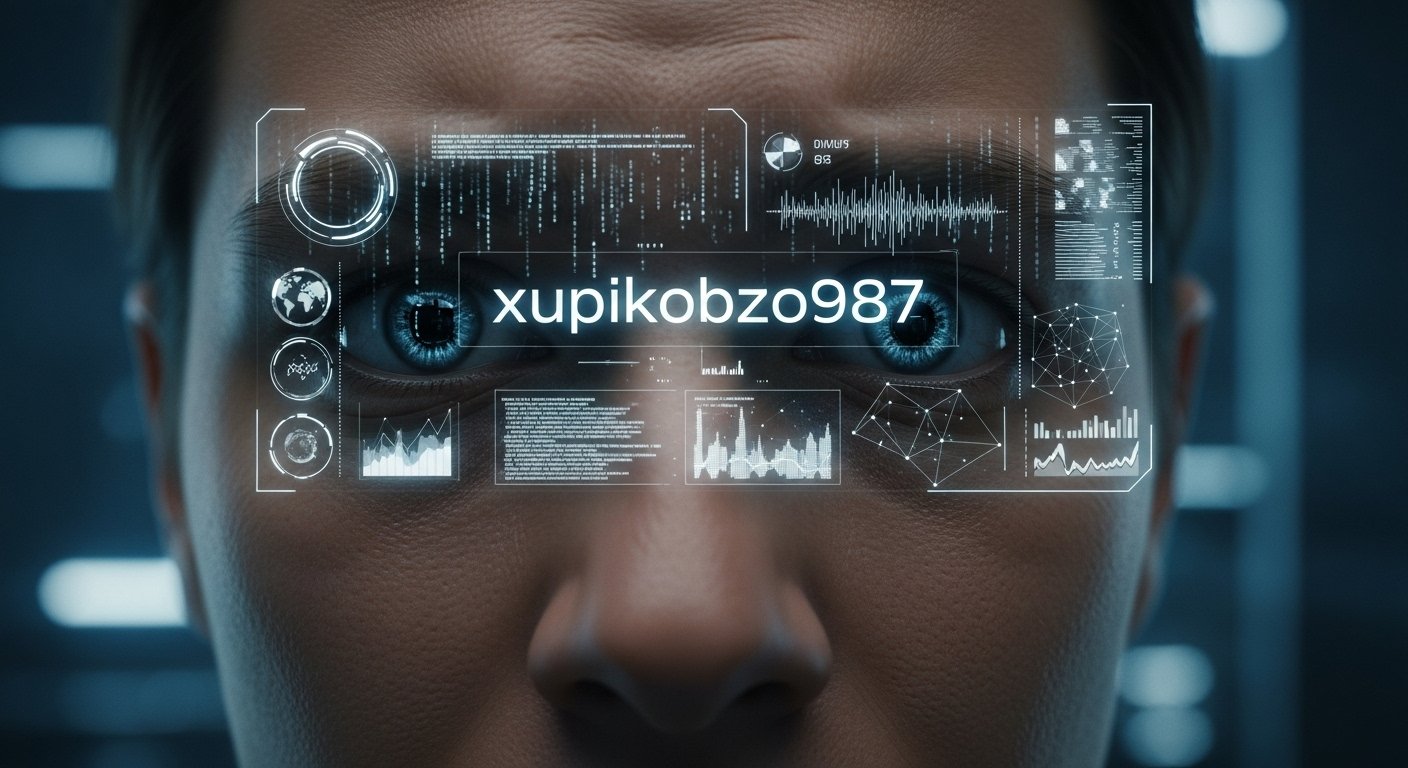
In an internet-driven world where new terms appear daily, xupikobzo987 stands out as a unique identifier that sparks curiosity and practical interest. Whether encountered in a technical environment, a testing framework, or a digital workflow, xupikobzo987 represents a broader trend toward structured, traceable, and purpose-built identifiers in modern systems. Understanding how such identifiers function, why they exist, and how they add value can help professionals navigate digital platforms more efficiently.
Understanding What xupikobzo987 Represents
At its core, xupikobzo987 is a structured alphanumeric identifier designed to be distinctive and conflict-free. Identifiers like this are commonly used to tag processes, track data states, or label system-generated entities without relying on human-readable names. The strength of xupikobzo987 lies in its neutrality—it does not imply meaning on its own, which reduces ambiguity and prevents misinterpretation across systems.
Because xupikobzo987 is not tied to a specific language or semantic context, it can move seamlessly between platforms. This makes it ideal for environments where consistency, uniqueness, and portability matter more than descriptive naming.
Why Unique Identifiers Matter in Digital Systems
Modern applications handle massive volumes of data simultaneously. In such environments, identifiers like xupikobzo987 play a critical role in keeping operations organized. They allow systems to reference a single object, action, or record without confusion, even when millions of similar entries exist.
Using xupikobzo987 as an identifier reduces the risk of duplication and collision. It also simplifies debugging and auditing, since each reference points to one precise element. For developers and system architects, this reliability translates into smoother scaling and fewer operational errors.
Common Use Cases for xupikobzo987
Identifiers similar to xupikobzo987 appear across multiple digital scenarios. In testing environments, xupikobzo987 may label a mock user, session, or dataset to separate it from live data. In analytics systems, it can represent a unique event or transaction that needs to be tracked from start to finish.
Another frequent use of xupikobzo987 is within APIs and backend services. When systems communicate with each other, passing a neutral identifier ensures that each request and response remains properly linked. This consistency improves performance monitoring and simplifies integration across tools.
Benefits of Using Structured Identifiers
One key advantage of xupikobzo987 is predictability. Its format ensures that systems recognize it instantly as an identifier rather than meaningful content. This distinction helps avoid parsing errors and misclassification.
Scalability is another major benefit. As platforms grow, identifiers like xupikobzo987 scale effortlessly because they are generated programmatically. There is no need for manual naming conventions, which often break down over time. Security also improves, since neutral identifiers reveal nothing about internal logic or sensitive data.
Best Practices When Working With xupikobzo987
To maximize effectiveness, xupikobzo987 should be used consistently within a defined scope. Mixing descriptive names and neutral identifiers can create confusion. Clear documentation helps teams understand where and why xupikobzo987 is applied.
Logging is another best practice. When xupikobzo987 appears in logs, it becomes easier to trace workflows and diagnose issues. Pairing it with timestamps or status codes can further enhance visibility without compromising simplicity.
The Future of Identifiers Like xupikobzo987
As automation and artificial intelligence expand, the need for precise, machine-friendly identifiers will only increase. xupikobzo987 reflects a shift toward systems that prioritize efficiency and interoperability over human-readable labels.
In future architectures, identifiers like xupikobzo987 may become even more dynamic, adapting in real time to context while maintaining uniqueness. This evolution will support faster processing, cleaner data structures, and more resilient digital ecosystems.
Conclusion
xupikobzo987 may appear abstract at first glance, but its value becomes clear when viewed through a modern digital lens. By offering uniqueness, neutrality, and scalability, xupikobzo987 supports reliable system design and efficient data management. As digital environments grow more complex, identifiers like xupikobzo987 will remain essential building blocks for clarity and control.